The Role of Mindful Eating in Weight Management
Mindful eating, Calorie intake, Savor, Flavors, Relationship with food
By
July 20, 2026
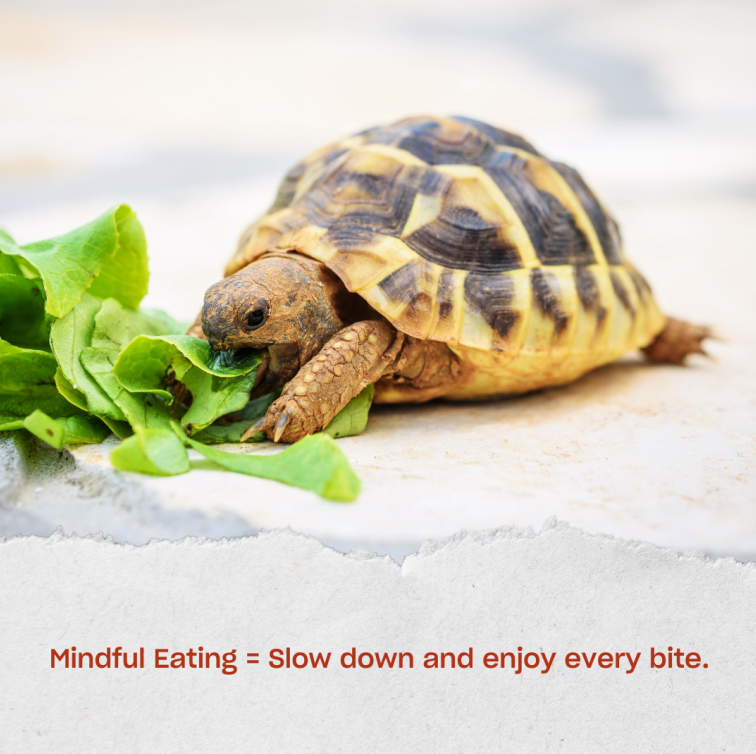

In today’s fast-paced world, meals often become something we rush through.
We eat while scrolling on our phones, answering emails, watching TV, driving, or trying to squeeze food into an already busy day. Before we know it, the meal is over and we barely remember tasting it.
But eating does not have to feel rushed, distracted, or automatic.
Mindful eating is a simple practice that helps you slow down, pay attention, and build a healthier relationship with food. It is not about strict rules or perfect choices. It is about becoming more aware of how you eat, why you eat, and how food makes you feel.
Mindful eating is the practice of being fully present during meals.
It is not only about what is on your plate. It is also about how you experience your food. Mindful eating encourages you to slow down, notice your hunger, enjoy the flavors, and listen to your body.
Instead of eating on autopilot, you become more connected to the meal in front of you.
This can help you feel more satisfied, make more intentional choices, and better recognize when you are hungry or full.
One of the biggest parts of mindful eating is presence.
That means reducing distractions and focusing on the act of eating. This can be as simple as putting your phone away, turning off the TV, stepping away from your desk, or sitting down instead of eating while standing or driving.
You do not need every meal to be silent or perfect. The goal is simply to give your food more of your attention.
When you are present, you are more likely to notice how your food tastes, how quickly you are eating, and how your body feels throughout the meal.
Mindful eating invites you to actually taste your food.
Notice the sweetness of fruit, the crunch of fresh vegetables, the warmth of soup, the seasoning on your protein, or the texture of a favorite meal. When you slow down and pay attention, food can become more satisfying.
This matters because enjoyment is an important part of sustainable nutrition.
When meals feel satisfying, you are less likely to keep searching for more food after the meal is over. You are also more likely to build a nutrition routine that feels enjoyable instead of restrictive.
Your body gives you signals before, during, and after meals.
Mindful eating helps you notice those signals more clearly. Instead of eating just because food is available or finishing a plate because it is there, you can begin checking in with your hunger and fullness.
Before eating, ask yourself: “Am I truly hungry?”
During the meal, pause and ask: “Am I still hungry, or am I starting to feel satisfied?”
After the meal, notice how you feel. Energized? Stuffed? Still hungry? Comfortable?
These small check-ins can help you better understand your body’s needs.
Mindful eating can support both physical health and emotional well-being.
When you slow down and listen to your body, you may naturally become better at regulating portions. This can support weight management without needing to obsess over every bite.
Eating more slowly may also support digestion. Chewing your food well and giving your body time to process the meal can help reduce discomfort and improve satisfaction.
Mindful eating can also make meals more enjoyable. Instead of treating food like a task, you give yourself permission to experience it.
Most importantly, mindful eating can help improve your relationship with food. It can reduce guilt, shame, and all-or-nothing thinking. It reminds you that food is not just fuel. It is also connection, enjoyment, culture, comfort, and nourishment.
Mindful eating does not have to be complicated.
Start small. Choose one meal or snack each day where you slow down and pay attention. You do not need to change the food right away. Just change the way you experience it.
Try sitting down at a table, taking a few breaths before eating, and noticing the colors, smells, and textures of your food.
Chew slowly. Put your fork down between bites. Pause halfway through the meal and check in with your hunger and fullness.
You can also use a simple hunger scale from 1 to 10. A 1 might mean extremely hungry, while a 10 might mean painfully full. The goal is to begin eating before you feel ravenous and stop when you feel satisfied, not stuffed.
Distractions make it harder to notice what and how much you are eating.
When possible, create a calm eating environment. Turn off the TV, put away your phone, and step away from work. Even five or ten minutes of focused eating can make a difference.
Of course, life is not always perfect. Some meals will still happen in the car, at work, or in the middle of a busy day. That is okay.
Mindful eating is not about perfection. It is about practicing awareness whenever you can.
Mindful eating should never feel like another rule to fail at.
There is no perfect way to do it. Some days will feel easier than others. Some meals will be slow and intentional. Others will be rushed. That does not mean you are doing anything wrong.
The goal is to become more aware without judging yourself.
When you approach food with curiosity instead of criticism, you create space for better choices, more satisfaction, and a healthier mindset.
Mindful eating is a simple but powerful way to change your relationship with food.
By slowing down, removing distractions, savoring your meals, and listening to your body’s cues, you can create a more balanced and enjoyable approach to nutrition.
You do not need to overhaul your entire diet overnight. Start with one meal. Take a breath. Pay attention. Taste your food. Notice how you feel.
The more you practice, the more natural it becomes.
When you bring mindfulness to the table, you give yourself the chance to nourish not only your body, but also your relationship with food.