How to Incorporate More Vegetables in Every Meal
Vegetables, Nutrients, Low calorie, Smoothie, Omelette, Stir-fry
By
June 29, 2026
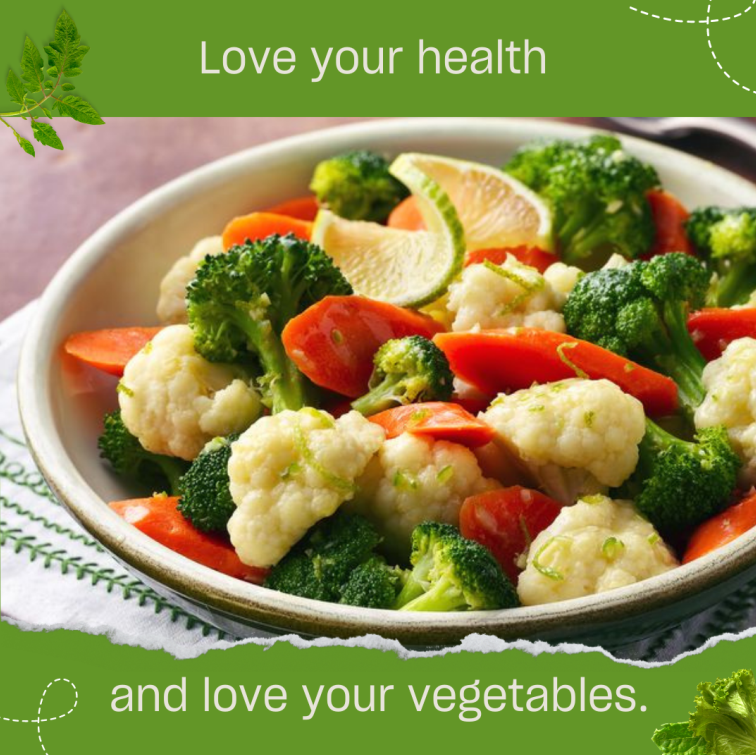

Vegetables are one of the easiest ways to improve the quality of your nutrition.
They are packed with vitamins, minerals, fiber, antioxidants, and water. They add color, volume, texture, and flavor to your meals without adding a large amount of calories. In other words, vegetables help you feel fuller, support your health, and make your plate look and taste better.
The good news is that eating more vegetables does not have to be complicated. You do not need to completely overhaul your diet. You just need to find simple ways to add them into the meals and snacks you are already eating.
Most people wait until lunch or dinner to eat vegetables, but breakfast is a great place to start.
Adding vegetables to your first meal of the day can help you get more nutrients early and set the tone for better choices later. A simple omelet or egg scramble with spinach, peppers, onions, mushrooms, or tomatoes is an easy option.
You can also add vegetables to breakfast wraps, egg bites, breakfast bowls, or even leftover dinner from the night before.
A protein-rich breakfast with vegetables can help keep you full, energized, and ready for the day ahead.
For busy mornings, smoothies can be a quick way to sneak in extra vegetables.
Leafy greens like spinach or kale blend well with fruit and usually do not overpower the taste. Try combining spinach, banana, berries, protein powder, and your milk of choice for a simple, nutrient-packed smoothie.
This is especially helpful if you struggle to sit down for a full breakfast or do not love eating vegetables first thing in the morning.
The key is to keep the smoothie balanced. Add protein, fiber, and healthy ingredients so it keeps you satisfied instead of leaving you hungry an hour later.
Lunch is one of the easiest meals to upgrade with vegetables.
If you like wraps, add lettuce, cucumbers, peppers, shredded carrots, spinach, or cabbage for crunch and volume. If you prefer bowls, start with a base of greens or roasted vegetables, then add protein, carbs, and a flavorful sauce or dressing.
Salads are another simple option, but they do not have to be boring. Add different textures and flavors like roasted vegetables, nuts, seeds, fruit, avocado, grilled chicken, beans, or feta cheese.
The goal is not to eat a sad bowl of lettuce. The goal is to build a meal that tastes good, fills you up, and gives your body what it needs.
Dinner is a perfect time to load up your plate with vegetables.
A simple stir-fry with peppers, broccoli, carrots, snap peas, mushrooms, or zucchini can be quick, filling, and easy to customize. Add your favorite protein and a smart carbohydrate source like rice, potatoes, or noodles to make it a complete meal.
Roasted vegetables are another great option. Toss vegetables with olive oil, herbs, garlic, salt, and pepper, then roast until they are tender and slightly crispy. Roasting brings out the natural sweetness in vegetables and makes them much more enjoyable.
Some easy vegetables to roast include:
A colorful dinner plate usually means you are getting a wider variety of nutrients.
Vegetables can also make great snacks.
Keeping pre-cut vegetables on hand makes it much easier to grab them when hunger hits. Cucumbers, carrots, celery, bell peppers, cherry tomatoes, and snap peas are all easy options.
Pair them with hummus, Greek yogurt dip, guacamole, cottage cheese, or a high-protein dip to make the snack more satisfying.
The easier you make the choice, the more likely you are to follow through.
If vegetables feel boring, it may not be the vegetables. It may be the way they are being prepared.
Try different seasonings, sauces, cooking methods, and cuisines to keep things interesting. Mediterranean-style salads with olives, feta, cucumbers, and tomatoes taste completely different from Asian-inspired stir-fries with bok choy, snow peas, ginger, and garlic.
You can grill vegetables, roast them, sauté them, blend them into soups, add them to pasta, fold them into eggs, or mix them into casseroles.
Variety helps prevent food boredom and makes healthy eating feel more enjoyable.
Eating more vegetables does not require a perfect plan. Start small.
Add a handful of spinach to your eggs. Put extra lettuce and peppers in your wrap. Roast a tray of vegetables for the week. Keep carrots and hummus in the fridge. Add a side salad to dinner.
Small changes done consistently can make a big difference over time.
Vegetables are one of the best tools you have for improving your health, supporting your goals, and building a more balanced plate.
They bring nutrients, fiber, color, and volume to your meals. They can help you feel full, energized, and better supported throughout the day.
Whether you start with a vegetable-packed breakfast, a colorful lunch, a roasted veggie dinner, or a simple snack with hummus, every serving counts.
The more you practice adding vegetables in simple ways, the easier it becomes to make them a regular part of your routine.