Plant-Based Proteins: More Than Just a Trend
Plant-based protein, Legumes, Tofu, Quinoa, Sustainable, Diet
By
July 13, 2026
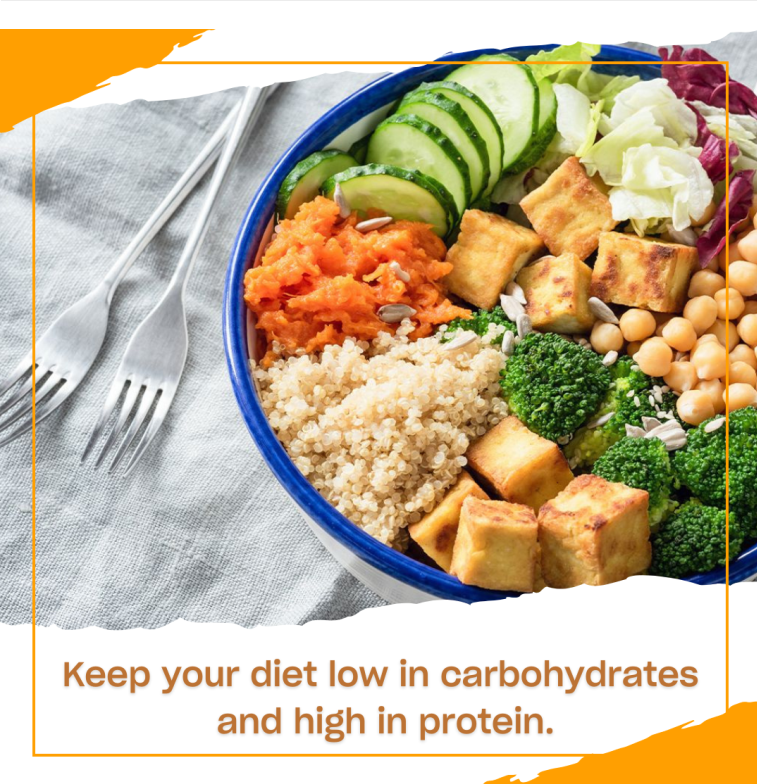

When most people think about protein, they usually think about meat, eggs, or dairy.
But protein does not have to come only from animal-based foods. Plants can be a powerful source of protein too. Beans, lentils, tofu, tempeh, quinoa, seeds, and other plant-based foods can all help support a strong, healthy, well-balanced diet.
Plant-based protein can also add more fiber, vitamins, minerals, and variety to your meals. Whether you are fully plant-based or simply trying to eat more plants, these foods can be a great addition to your nutrition routine.
Protein plays an important role in the body.
It helps build and repair muscle, supports recovery, contributes to immune function, and helps keep you full between meals. Getting enough protein is especially important if you are exercising regularly, trying to build muscle, lose body fat, or improve overall health.
Plant-based protein sources can help you meet your protein needs while also giving your body other important nutrients.
Many plant-based proteins are rich in fiber, which supports digestion, gut health, blood sugar balance, and fullness. This makes them a smart choice for building meals that are both nourishing and satisfying.
Legumes include beans, lentils, chickpeas, peas, and similar foods.
They are some of the most accessible and versatile plant-based protein sources. They are also packed with fiber, vitamins, and minerals, making them a great choice for overall health.
You can add legumes to soups, stews, salads, wraps, grain bowls, tacos, or pasta dishes. Chickpeas can be roasted for a crunchy snack, lentils can be used in hearty soups, and black beans can be added to burrito bowls or breakfast scrambles.
Legumes are simple, affordable, filling, and easy to keep on hand.
Tofu is made from soybeans and is one of the most well-known plant-based protein sources.
One of the best things about tofu is how versatile it is. Its mild flavor allows it to take on the taste of whatever seasonings, sauces, or marinades you use.
You can bake it, grill it, sauté it, scramble it, blend it into smoothies, or add it to stir-fries and bowls. Firm tofu works well in savory meals, while silken tofu can be used in sauces, smoothies, or even desserts.
For people looking to add more plant-based meals into their routine, tofu is a great place to start.
Tempeh is also made from soybeans, but it has a firmer texture and a nuttier, slightly earthy flavor.
Because it is fermented, tempeh may also support gut health. It is dense, satisfying, and packed with plant-based protein.
Tempeh can be sliced, marinated, and grilled or sautéed. It works well in sandwiches, bowls, wraps, salads, and stir-fries. If you like meals with a heartier texture, tempeh can be a great option.
Quinoa is often talked about as a “complete protein” because it contains all nine essential amino acids.
It is technically a seed, though it is often used like a grain. Quinoa is a great base for bowls, salads, and side dishes. It provides carbohydrates for energy along with some protein, fiber, and important minerals.
While quinoa may not be as high in protein as tofu, tempeh, or legumes, it can still be a helpful part of a balanced meal.
Try pairing quinoa with beans, roasted vegetables, avocado, and a flavorful sauce for a filling plant-based meal.
Seeds may be small, but they can add a lot of nutrition to your diet.
Chia seeds, flax seeds, hemp seeds, pumpkin seeds, and sunflower seeds can provide protein, healthy fats, fiber, and important nutrients.
You can sprinkle seeds on oatmeal, yogurt, smoothie bowls, salads, soups, or roasted vegetables. You can also blend them into smoothies or use them in homemade energy bites.
Hemp seeds and pumpkin seeds are especially useful if you are trying to add more protein to meals and snacks without much prep.
Choosing more plant-based protein can benefit more than just your personal health.
Plant-based foods generally require fewer resources to produce than many animal-based foods. They can also have a lower environmental impact, especially when it comes to land use, water use, and greenhouse gas emissions.
This does not mean everyone needs to give up meat completely. Even adding a few more plant-based meals each week can make a difference.
Small changes, repeated consistently, can support your health and contribute to a more sustainable food system.
Adding plant-based protein does not have to be complicated.
Start by building meals you already enjoy, then add or swap in plant-based options.
You could try:
The goal is not perfection. The goal is variety.
Plant-based protein is a powerful way to add more nutrition, fiber, and variety to your diet.
Legumes, tofu, tempeh, quinoa, and seeds can all help support muscle, recovery, fullness, digestion, and overall health. They can also make your meals more colorful, flavorful, and satisfying.
You do not have to become fully plant-based to benefit from plant-based protein. Start by adding one or two plant-forward meals each week and build from there.
The more variety you include, the more tools you give your body to feel strong, nourished, and energized.